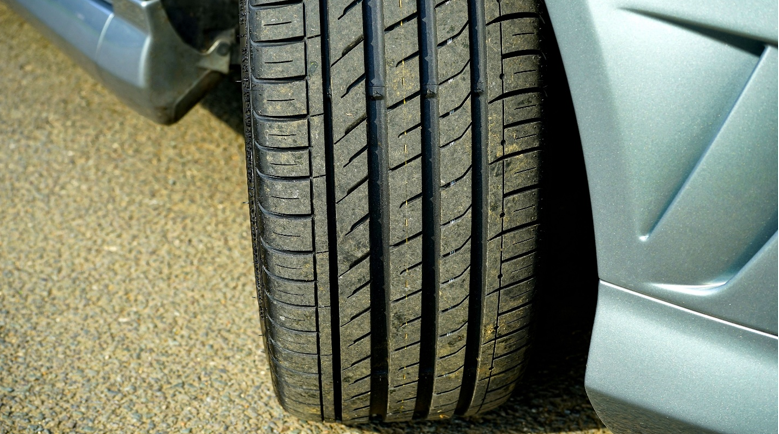
The Mahindra XUV700 requires high-load, high-speed-rated rubber to match its engine output and curb weight. Choosing the best tyres for the Mahindra XUV700 need to match tyre construction to your driving style, whether long-distance cruising, monsoon commuting, or city comfort. This directly impacts cornering stability, braking distance and cabin NVH (Noise, Vibration and Harshness) levels.
Mahindra XUV700 Tyre Specification & Performance Comparison
|
Tyre Model |
Load / Speed Rating |
Wet Grip & Hydroplaning Resistance |
Noise Mitigation / NVH Technology |
|
CEAT SportDrive SUV (CALM) |
107W (XL) |
High-dispersion silica compound + circumferential grooves |
CALM sound-absorbing foam tech (low cabin hum) |
|
CEAT SecuraDrive SUV |
104H |
Wide longitudinal channels for rapid water evacuation |
Optimised tread block sequencing |
|
Michelin Primacy SUV+ |
104V |
FlexMax 2.0 & StabiliGrip sipes for wet braking |
CushionNet shock-absorption layer |
|
Bridgestone Alenza 001 |
103W |
NanoPro-Tech silica formulation |
Multi-round block structure to reduce vibration |
Highway Ride Comfort and Cabin NVH Control
High-speed highway stability on the XUV700 depends on sidewall stiffness and tread frequency tuning. Premium SUV tyres for Mahindra XUV700 use specialised dampening layers under the tread to isolate road shocks before they reach the suspension.
The CEAT SportDrive SUV CALM series introduces acoustic foam technology directly bonded to the inner liner. This structure targets sound frequencies generated inside the tyre cavity, reducing high-speed road hum on coarse asphalt.
The Michelin Primacy SUV+ utilises flexible sidewall compounds that absorb sharp tarmac joints on expressways, delivering a supple ride without inducing float or body roll.
Wet Grip and Hydroplaning Resistance
Hydroplaning occurs when a layer of water builds up between the tyre tread and the road surface, leading to loss of traction. The XUV700’s electronic stability control (ESP) relies on continuous tire traction to function effectively during emergency lane changes in the rain.
Tyres designed for wet traction feature three distinct engineering elements:
-
High-Dispersion Silica Compounds: Keep the rubber pliable at lower ambient temperatures, maintaining micro-contact with wet asphalt.
-
Deep Circumferential Grooves: Channel high volumes of standing water away from the contact patch.
-
3D Sipes: Self-locking tread blocks that prevent squirm during sudden braking on wet highways.
Using high-silica tread compounds reduces wet braking distances during monsoons, aligning with rainy season vehicle maintenance guidelines published by the Ministry of Road Transport and Highways (MoRTH).
In braking evaluations, high-silica options like the CEAT SportDrive SUV resist aqua-planing effectively, offering short stopping distances during heavy monsoons.
Which Tyre Should You Choose for Your XUV700?
1. Overall Best Choice
-
Why: Focuses on low cabin noise, straight-line stability and high-speed dampening over jointed concrete roads.
2. The All-Weather & Monsoon Driver
-
Best Choice: Michelin Pilot Sport 4 SUV
-
Why: Maximum wet grip ratings, wide drainage channels and rigid tread shoulder blocks to prevent sliding during heavy rainfall.
Final Recommendation
To maintain original safety systems, steering response and ride comfort, choose a tyre that strictly adheres to the manufacturer’s load and speed indexes. Upgrade to noise-canceling, high-silica rubber options, like SportDrive SUV Calm tyres by CEAT to maximise high-speed refinement and wet-weather control on your Mahindra XUV700.
Frequently Asked Questions
What is the correct tyre pressure for Mahindra XUV700?
Recommended cold inflation pressure is 33 PSI for front tyres and 34–35 PSI for rear tyres under standard load conditions. When driving fully loaded with 7 passengers and luggage on long highway stretches, increase the rear tyre pressure to 36 PSI.
Is the CEAT SportDrive SUV CALM review good for high-speed highway use?
Yes, the CEAT SportDrive SUV CALM features a 107W rating, meaning it supports speeds up to 270 km/h and higher loads (Extra Load / XL). Its dedicated sound-absorbing technology directly lowers high-speed road noise.
What happens if I use a full-size spare tyre with a lower load index?
A: Using a lower load index tyre compromises cornering stability, increases sidewall wear and can trigger false alerts from the Electronic Stability Program (ESP) due to irregular wheel rotation speeds under load. Always maintain a 104 load rating for 17-inch rims or 107 for 18-inch rims.