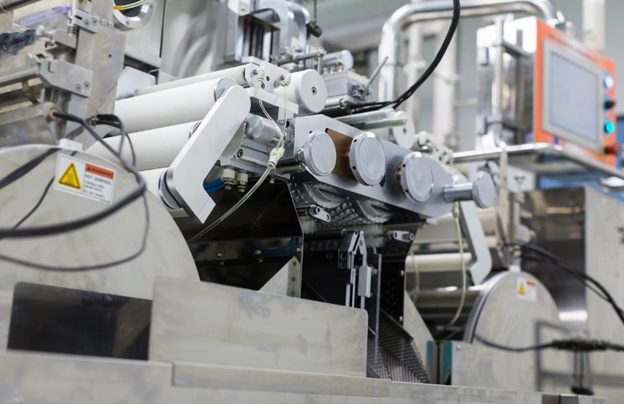
Industrial manufacturing depends heavily on continuous production systems because steady output helps factories manage larger commercial requirements more efficiently today. Many industries now rely on plastic extrusion machinery for producing films, sheets, profiles, and industrial piping materials across different production sectors regularly. Machine stability matters greatly because uneven processing often creates product defects during long manufacturing schedules. Factories also monitor electricity consumption carefully since rising energy expenses directly affect operational costs every month. Production managers usually compare machine servicing requirements before making final equipment investment decisions for industrial manufacturing setups.
Pipe manufacturing requires controlled processing conditions always
Industrial piping products must maintain proper thickness and strength because weak pipe sections create operational failures during practical installation work later. Reliable pipe extrusion systems generally use balanced temperature control to maintain smooth material flow throughout the production cycle consistently. Cooling arrangements also influence final pipe dimensions because uneven cooling changes shape stability during manufacturing operations unexpectedly. Material feeding systems deserve close attention because inconsistent raw material movement interrupts continuous production activities without much warning beforehand. Several factories now prefer automated monitoring systems for maintaining better production accuracy during extended manufacturing schedules.
Material quality directly affects final product durability
Plastic manufacturing industries use different polymer combinations because industrial applications require varying strength levels and processing characteristics regularly. Modern plastic extrusion machinery supports multiple material grades that help manufacturers produce pipes suitable for construction, agriculture, and industrial transportation systems efficiently. Moisture control remains important because excessive moisture weakens finished pipe quality after processing operations continue for longer periods. Skilled operators often inspect material blending manually despite advanced automation features remaining active during production. Some factories now include recycled materials carefully because raw material costs continue to increase gradually across industrial markets.
Machine maintenance influences production consistency strongly
Continuous manufacturing places heavy operational pressure on industrial machinery, especially during large pipe production orders requiring stable performance daily. An efficient pipe extrusion setup generally includes accessible servicing points because difficult maintenance slows repair work during active manufacturing schedules significantly. Gearbox reliability becomes important because unstable movement gradually affects extrusion consistency and machine operational balance over time. Spare part availability also influences factory planning because delayed replacements interrupt manufacturing targets unexpectedly. Production managers usually focus more on predictable machine performance instead of temporary speed demonstrations shown during machinery presentations.
Industrial buyers now compare flexibility before investing
Manufacturing industries rarely produce identical pipe specifications throughout the year because project requirements often change across different commercial sectors regularly. Factories selecting plastic extrusion machinery usually compare production flexibility before discussing advanced automation or digital operating systems seriously. Adjustable production settings help manufacturers switch pipe dimensions without replacing entire machinery setups unnecessarily. Cooling tank arrangements also matter because pipe surface quality depends heavily on stable cooling control during continuous extrusion operations. Some smaller industrial units still prefer semi-automatic systems because manual adjustments remain useful during customized manufacturing activities occasionally.
Conclusion
Pipe manufacturing industries continue evolving because modern production environments require stronger operational efficiency, better processing control, and practical machine adaptability across different industrial sectors consistently. Finetechengineers.in supports manufacturing businesses searching for dependable extrusion systems suitable for modern pipe production requirements and industrial processing conditions. Choosing the right pipe extrusion setup involves reviewing machine durability, servicing accessibility, cooling efficiency, and production flexibility before making long-term investment decisions carefully. Businesses should also evaluate operational requirements alongside maintenance planning when selecting industrial extrusion machinery for manufacturing activities.