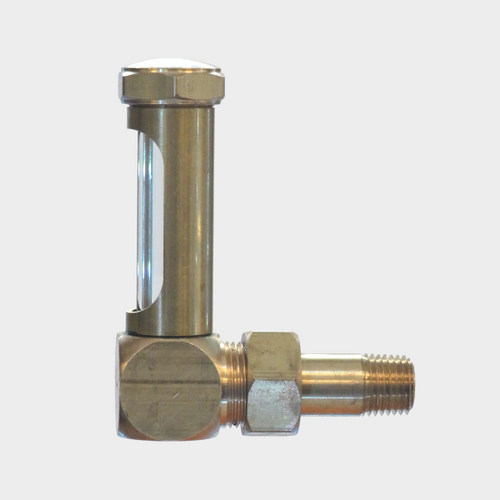
In industrial machinery, the oil gauge glass plays a critical role in ensuring smooth operations and preventing mechanical failures. This transparent component allows operators to visually inspect the oil level in tanks, engines, or hydraulic systems. By providing a direct view of the fluid, the oil gauge glass ensures accurate monitoring, which is crucial for maintaining consistent performance and avoiding potential damage caused by low or excessive oil levels.
The Function and Importance of an Oil Gauge Line in Accurate Measurement
The oil gauge line is an essential part of the monitoring system, connecting the oil reservoir to the gauge mechanism. Its primary function is to transmit the oil to the gauge so operators can read precise fluid levels. The correct installation and maintenance of the oil gauge line are vital, as any leakage or blockage can lead to false readings, affecting machine efficiency and safety.
Selecting the Right Oil Gauge Glass for Your Machinery
Choosing the appropriate oil gauge glass involves understanding the operating environment, temperature, and pressure requirements. High-quality materials ensure durability, resistance to thermal stress, and clarity for accurate readings. A well-maintained oil gauge glass not only improves operational safety but also extends the life of your equipment by preventing unnoticed oil depletion or contamination.
Installation Tips to Optimize Oil Gauge Line Performance
Proper installation of the oil gauge line is critical for effective performance. The line should be free from bends or kinks to ensure smooth oil flow. Additionally, sealing connections correctly prevents leaks, and periodic inspection of the line guarantees long-term reliability. Maintaining the oil gauge line in top condition ensures that the readings displayed on the oil gauge glass remain precise and trustworthy.
Common Challenges and Solutions with Oil Gauge Systems
Operators may face challenges such as clouding of the oil gauge glass or blockages in the oil gauge line. Regular cleaning of the gauge glass and flushing the line can prevent buildup and maintain clarity. Using compatible oils and monitoring for wear and tear are essential preventive measures. Addressing these issues promptly avoids operational downtime and safeguards machinery efficiency.
Innovations in Oil Gauge Glass and Oil Gauge Line Technology
Recent advancements in oil gauge glass and oil gauge line design have improved both safety and accuracy. Modern materials provide enhanced visibility, higher resistance to pressure and temperature fluctuations, and longer service life. Engineers continue to innovate, ensuring that these components meet the increasing demands of complex industrial machinery.
The Overall Impact of Reliable Oil Gauge Systems on Machinery Efficiency
A functional oil gauge glass paired with a properly maintained oil gauge line contributes significantly to machinery reliability. It enables timely maintenance, reduces the risk of unexpected failures, and ensures smooth operational cycles. Operators can confidently monitor fluid levels, knowing that accurate readings will prevent costly repairs and downtime.
Conclusion
Incorporating high-quality oil gauge glass and well-maintained oil gauge lines is essential for the efficiency and longevity of industrial systems. Paying attention to installation, maintenance, and material quality ensures accurate monitoring and smooth operations. For those seeking reliable components and expert guidance, EssexBrassParts.com provides a wide selection of premium oil gauge solutions tailored to industrial needs.