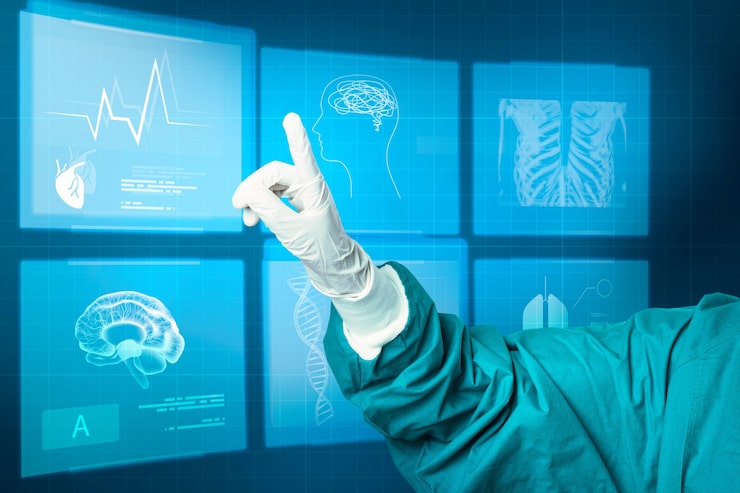
Artificial intelligence (AI) is rapidly revolutionising the healthcare industry, particularly in the realm of predictive analytics. By effectively leveraging AI algorithms and machine learning techniques, healthcare providers can now predict patient outcomes, optimize treatment plans, and improve overall care delivery. Predictive healthcare analytics powered by AI is transforming decision-making processes, enabling medical professionals to take proactive measures that enhance patient well-being. For individuals eagerly looking to explore this innovative field, enrolling in a data analytics course can provide essential knowledge and skills.
Understanding Predictive Healthcare Analytics
Predictive healthcare analytics involves using data, statistical models, and AI algorithms to predict future health outcomes. This approach relies on historical patient data, medical records, and real-time health information to forecast potential risks, diagnose diseases earlier, and recommend effective treatment plans. AI enhances predictive healthcare analytics by processing vast amounts of complex data efficiently and uncovering patterns that human analysts may overlook.
Students pursuing a course in Bangalore are often introduced to predictive analytics models designed to improve healthcare outcomes. By learning AI-driven data analysis techniques, aspiring data professionals can contribute to the healthcare sector’s technological advancement.
How AI Powers Predictive Healthcare Analytics
AI-powered predictive analytics relies on machine learning models that continuously learn from new data inputs. These models identify correlations between patient behaviors, lifestyle choices, genetic factors, and medical histories to predict potential health risks. AI algorithms can detect warning signs of chronic illnesses, predict hospital readmission risks, and recommend personalized treatment plans based on individual patient data.
In a data analytics course, students are taught how to build and train these models using diverse data sources. By mastering such skills, they can develop solutions that help healthcare providers make data-driven decisions, ensuring timely interventions and improved patient care.
AI Applications in Predictive Healthcare Analytics
AI is being applied in several key areas of predictive healthcare analytics. One prominent example is early disease detection. AI models analyze medical images, lab results, and patient records to detect conditions such as cancer, diabetes, and heart disease at earlier stages. By identifying risks early, healthcare providers can implement preventive measures that improve outcomes.
Another essential application is in predicting patient deterioration in intensive care units (ICUs). AI systems monitor real-time data from vital sign monitors and medical devices to identify subtle changes that may signal deterioration. This proactive approach enables medical teams to intervene promptly, reducing the likelihood of complications.
AI is also transforming personalized medicine by analyzing patient genetics, lifestyle patterns, and treatment responses. By predicting how patients will actually respond to specific therapies, AI helps doctors tailor treatment plans to individual needs.
The Fundamental Role of Natural Language Processing (NLP) in Healthcare Analytics
Natural Language Processing (NLP) plays a crucial role in predictive healthcare analytics by extracting meaningful insights from unstructured data including clinical notes, patient feedback, and medical literature. NLP algorithms analyze text data to identify trends, detect anomalies, and predict health risks.
Healthcare organizations increasingly use NLP-powered tools to automate data extraction, enhancing decision-making processes. For example, NLP systems can accurately analyze electronic health records (EHRs) to likely identify patients who may be at risk for conditions like sepsis, providing early alerts for healthcare providers. Enrolling in a course offers students practical experience in implementing NLP techniques for healthcare applications.
Improving Hospital Resource Management with AI
AI-driven predictive analytics is also optimizing hospital resource management. By forecasting patient admissions, bed occupancy rates, and staff requirements, hospitals can allocate resources more efficiently. Predictive models analyze historical patient data, seasonal trends, and demographic information to predict demand patterns accurately.
Hospitals that leverage AI for resource management can reduce waiting times, prevent overcrowding, and ensure patients receive timely care. Those who pursue a data analytics course will gain valuable insights into building predictive models that address real-world operational challenges in healthcare facilities.
Challenges in Implementing AI in Healthcare Analytics
Despite its immense potential, integrating AI into predictive healthcare analytics presents several challenges. Data privacy usually concerns remain a significant barrier, as healthcare data is extremely sensitive and subject to strict regulations. Organizations must adopt secure data governance frameworks to protect patient information while ensuring AI systems comply with legal standards.
Another challenge lies in the complexity of medical data. AI models require diverse data inputs from multiple sources, which may vary in format, accuracy, and reliability. To overcome this challenge, data professionals must clean, preprocess, and validate data effectively.
Ethical Considerations in Predictive Healthcare Analytics
AI-driven predictive healthcare analytics raises ethical concerns that healthcare providers must address. Algorithms may inadvertently reinforce biases present in the training data, potentially leading to inaccurate predictions or unequal treatment outcomes. Ensuring fairness, transparency, and accountability in AI models is crucial for maintaining trust in healthcare systems.
Healthcare institutions must implement rigorous validation processes to ensure predictive models are unbiased and ethically sound. Professionals who complete a data analytics course in Bangalore are often trained to evaluate AI models for potential biases, ensuring that healthcare analytics solutions are both effective and fair.
The Future of Predictive Healthcare Analytics with AI
As AI technology continues to advance, predictive healthcare analytics is expected to become even more sophisticated. Future developments may include AI-driven virtual health assistants capable of predicting patient needs and delivering personalized recommendations. Additionally, wearable devices that collect real-time health data will enhance predictive capabilities, empowering individuals to take proactive steps toward better health.
Incorporating AI into predictive healthcare analytics will also improve telemedicine services, allowing doctors to assess patients remotely and predict potential risks before they escalate.
The Growing Demand for AI Skills in Bangalore’s Healthcare Sector
Bangalore’s booming tech industry has created an increasing demand for data professionals skilled in AI and predictive healthcare analytics. Leading healthcare institutions and startups in the city are adopting AI technologies to enhance patient care and optimize operations. As a result, there is a growing need for trained experts capable of implementing AI-driven solutions.
Enrolling in a course provides aspiring data professionals with practical experience in developing predictive analytics models for healthcare. By achieving hands-on experience with AI tools and techniques, learners can position themselves for career opportunities in Bangalore’s rapidly evolving healthcare ecosystem.
Conclusion
AI-powered predictive healthcare analytics is transforming the way medical professionals diagnose, treat, and manage patient care. By leveraging machine learning, NLP, and data-driven insights, healthcare providers can deliver personalized care, improve resource management, and enhance patient outcomes. For individuals looking to contribute to this evolving field, enrolling in a data analytics course in Bangalore can provide valuable skills that align with industry demands. As AI continues to revolutionize healthcare analytics, professionals equipped with data analytics expertise will play a critical role in driving innovation and improving healthcare delivery.
ExcelR – Data Science, Data Analytics Course Training in Bangalore
Address: 49, 1st Cross, 27th Main, behind Tata Motors, 1st Stage, BTM Layout, Bengaluru, Karnataka 560068
Phone: 096321 56744