
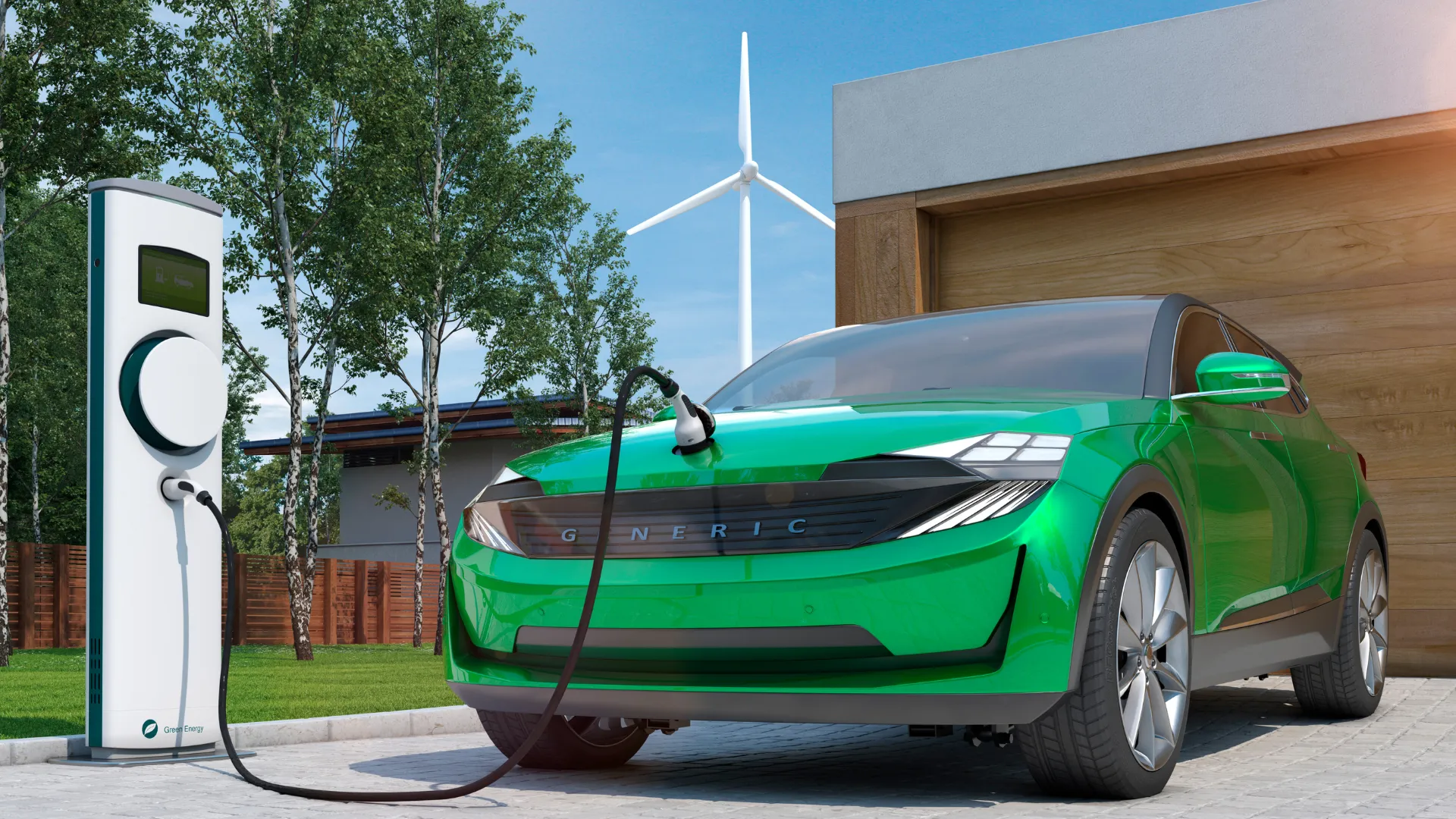
For decades, the classic car hobby was defined by the smell of gasoline and the rhythmic vibration of an internal combustion engine. However, as we move through 2026, a new movement is quietening the streets while preserving the silhouettes we love. The “EV Restomod”—the process of taking a vintage vehicle and replacing its aging drivetrain with a modern electric motor and battery pack—has evolved from a niche experiment into a sophisticated segment of the collector car market.
This fusion of mid-century aesthetics and 21st-century technology offers the best of both worlds: the iconic style of a 1960s Porsche 911 or a vintage Land Rover Defender, paired with the reliability, instant torque, and zero-emission profile of a modern electric vehicle. But as these builds become more ambitious, they also become more expensive, necessitating a new approach to acquisition and ownership.
The Appeal of the Electric Classic
The primary driver behind the EV restomod surge is usability. Many enthusiasts love the look of a classic car but dread the maintenance, the temperamental cold starts, and the difficulty of sourcing obsolete engine parts. By performing an electric conversion, owners gain a vehicle that is virtually maintenance-free. There are no oil changes, no spark plugs to foul, and no carburetors to tune.
Furthermore, the performance gains are often staggering. An electric motor provides 100% of its torque at zero RPM, giving vintage heavyweights a level of off-the-line acceleration they never possessed in their original form. Companies like London-based Lunaz or California’s Zero Labs are now producing builds that rival the fit and finish of a factory-new vehicle, often with price tags exceeding $250,000.
A New Financial Landscape
Because an EV restomod is neither a standard “used car” nor a factory-fresh EV, it occupies a unique space in the financial world. If you were to walk into a local bank and ask for a loan on a 1974 Ford Bronco that has been gutted and fitted with a Tesla motor and a custom battery array, most traditional lenders would struggle to assign it a value. They see a 50-year-old truck; you see a quarter-million-dollar masterpiece of engineering.
This valuation gap is where specialized lending becomes essential. To successfully navigate the purchase of a high-end conversion, collectors are increasingly turning to specialized financing for an EV restomod that recognizes the appraised value of the restoration rather than just the age of the chassis. These specialty loans understand that a high-quality electric conversion can actually increase the long-term investment potential of a classic by making it more relevant in a world with increasing emissions restrictions.
Investment-Grade Conversions
Not all electric conversions are created equal. For a restomod to hold its value as a “blue-chip” asset, the quality of the engineering must be top-tier. Collectors are looking for:
-
OEM-Grade Integration: How well the batteries are packaged and whether the weight distribution maintains (or improves) the original handling characteristics.
-
Reversibility: Some of the highest-value conversions are designed to be “bolt-in,” meaning the original engine could, in theory, be reinstalled, preserving the car’s historical integrity.
-
Range and Charging: In 2026, buyers expect at least 200 miles of range and CCS fast-charging compatibility, ensuring the car is as practical as it is beautiful.
The Strategic Move: 180-Month Terms
Given that a professional EV conversion can easily cost six figures on top of the price of the donor car, cash flow management is a priority for savvy enthusiasts. Many collectors choose to leverage long-term financing—often up to 15 years (180 months)—to keep their monthly out-of-pocket costs low.
By spreading the cost over a decade or more, the monthly payment on a bespoke electric classic can be comparable to that of a high-end daily driver. This allows the owner to keep their primary capital invested in other appreciating assets while they enjoy the “silent thunder” of their electrified icon.
The rise of the EV restomod represents a cultural shift in the automotive world. It is a way to “future-proof” automotive history, ensuring that the most beautiful designs of the 20th century remain on the road for the 21st. As technology continues to improve and more specialized financial products emerge to support these unique builds, the electric classic is no longer a compromise—it is the ultimate statement of style and sustainability. Whether you are eyeing a silent Jaguar E-Type or a high-voltage Mustang, the path to ownership has never been more accessible for the modern collector.